.png)

5 Questions That Expose Hidden Third-Party Cyber Risks
Imagine your house. You lock the doors, set up alarms – you think you’re safe, right? But what if the contractor you hired left a window unlocked? That’s what relying on third-party vendors without asking the right questions is like in cybersecurity. It doesn't matter how strong *your* defenses are if a vendor leaves a backdoor open. In 2024, third-party risks aren't just a concern; they’re a silent epidemic. A stunning 63% of data breaches can be traced back to vendors, costing companies millions each year (IBM Cost of a Data Breach Report 2023). Understanding and managing these risks is no longer optional – it's a business must-do. We’re here to help you do just that, simply and effectively.
What's Lurking in Your Vendor's Security Assessments?
Many companies assume a vendor with a few certifications (like SOC 2 or ISO) is automatically secure. But think of certifications as a driver's license. It shows they *know* the rules of the road, but it doesn't mean they're always a safe driver. You need to dig deeper. What in-depth assessments have your vendors actually undergone, and more importantly, what vulnerabilities did those tests reveal? What did they do to fix them?
Why this matters: A self-attestation is like grading your own homework. You're likely to be lenient. You need independent, third-party eyes. Shockingly, only 29% of organizations conduct comprehensive third-party risk assessments (Deloitte 2024).
Actionable Tip: Don't just ask for certifications. Demand to see their latest penetration testing reports. A pen test is like hiring ethical hackers to try and break into their systems. It uncovers real-world weaknesses that certifications often miss. Scrutinize those reports carefully. Do the findings worry you? Discuss how they plan to fix them, and how you can verify the fix.
How immense Is Your Vendor's Incident Response Plan (IRP)?
Okay, so your vendor says they have an incident response plan (IRP). Great! But simply having a plan isn't enough. It needs to be detailed, tested, and, most importantly, *transparent* to you. What happens if *they* get breached? How quickly will *you* be notified? What steps will *they* take to contain the damage?
Why this matters: Time is of the essence during a breach. The longer it takes to detect and respond, the more damage is done. Companies with a tested IRP reduce breach costs by an average of $1.23 million (Ponemon Institute 2023). That’s a huge saving, and it all comes down to being prepared.
Actionable Tip: Don’t settle for a summary. Demand to see their full IRP. Even better, conduct a tabletop exercise with key personnel from both your team and the vendor's. A tabletop exercise is a simulated breach scenario where you walk through the response steps together. It’s like a practice drill for a fire – it identifies gaps in the plan *before* a real emergency. Make sure the plan includes *clear* communication protocols – who notifies whom, and how quickly?
Are You Sure Your Vendor Can Handle Your Data Privacy Demands?
With data privacy regulations like GDPR and CCPA becoming stricter, this question is more critical than ever. It’s not enough for your vendor to *say* they comply. You need to verify it. How does your vendor comply with data privacy regulations across *all* their operations? What specific data security measures are in place to protect your sensitive data?
Why this matters: A data breach involving a vendor can expose your organization to significant legal and financial penalties. A frightening 52% of organizations have experienced a data breach because of vendor non-compliance (SecurityScorecard 2024).
Actionable Tip: Conduct thorough data privacy due diligence. This means mapping where your data flows within the vendor’s systems, reviewing their privacy policies, and verifying their compliance with applicable laws. Don't just rely on their word. Use automated security ratings services or hire a third-party auditor to assess their compliance.
What Happens When Your Vendor Changes Their Stack?
Your vendors are constantly evolving their technology. They upgrade software, add new features, and migrate to the cloud – it's a never-ending cycle of change. But with each change comes the risk of new vulnerabilities. Do you have continuous visibility into your vendor's security posture, *even as they update their technologies*?
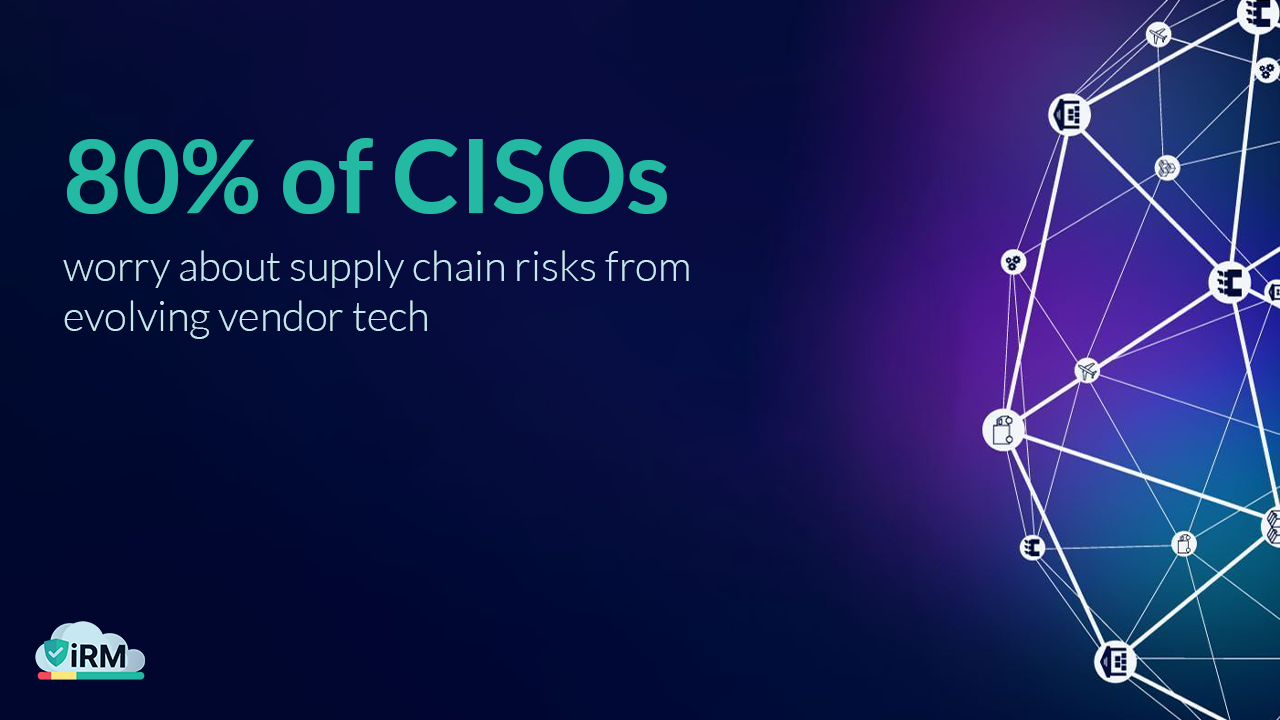
Why this matters: This is where the concept of security drift comes in. A vendor might have been secure at the start of your relationship, but their security posture can degrade over time as they make changes. According to Gartner (2023), 80% of CISOs are concerned about supply chain vulnerabilities caused by evolving vendor technologies. That's a huge number of worried security leaders!
Actionable Tip: Implement continuous monitoring tools. These tools track your vendor's security posture over time, alerting you to any significant changes or emerging vulnerabilities. They're like a health tracker for your vendor’s cybersecurity, giving you early warning signs of potential problems.
How Deep Does Your Contractual Liability Really Go?
Even with the best security measures, breaches can still happen. That's why it's crucial to understand your contractual liability. Do your contracts with vendors adequately address cyber liability, data breach insurance, and indemnification clauses?
Why this matters: In the event of a vendor-related breach, you need to know exactly who is responsible for what. Without clear contractual terms, you could be left holding the bag for significant costs. A concerning 35% of companies have adequate cyber insurance coverage for third-party risks (NetDiligence 2024).
Actionable Tip: Review and update your vendor contracts with the help of a legal expert specializing in cybersecurity. Make sure your contracts include strong clauses addressing cyber liability, data breach notification, indemnification, and insurance requirements. You need to know that you're protected, at least contractually, in case things go wrong.
Proactive Vendor Risk Management - Your Shield Against Hidden Cyber Threats
Third-party cyber risk isn't going away. In fact, it's only going to become more complex as supply chains become more interconnected and attackers become more sophisticated. Asking the right questions, like the five we've explored here, is your first line of defense. Remember, proactive vendor risk management isn't a one-time task; it's an ongoing process that requires continuous monitoring, assessment, and adaptation. Treat it like any other critical business function, and you'll be well on your way to securing your organization against hidden vendor threats.
Uncover Your Hidden Vendor Risks with a FREE Cybersecurity Assessment!
Don't let your vendors be the weak link in your cybersecurity chain. Contact iRM today for a complimentary assessment to identify and mitigate potential threats. We'll help you ask the right questions and implement the right controls to protect your organization from the silent killers of 2024. Click here to schedule your free assessment now! [Insert iRM Contact Us Page]
[Imagine a visual of a chain link being secured/reinforced - perhaps a padlock being closed on a chain.]