.png)

Boost Efficiency Now: Proven Strategies for Flawless AI Implementation
Artificial intelligence (AI) is unlocking new opportunities for businesses, providing innovative solutions to complex problems and enhancing decision-making processes. Yet, implementing AI comes with its own set of challenges, requiring careful planning and execution to integrate it seamlessly into existing workflows.
So, how can businesses ensure seamless AI deployment without operational disruptions? This blog will explore best practices, common challenges, and strategies for successfully integrating AI into existing workflows.
Understanding AI Deployment
To appreciate the significance of seamless AI deployment, it's essential to understand what it entails.
What is AI Deployment?
AI deployment refers to the process of integrating AI systems into an organization’s operations. This involves not only the technical aspects of installing and configuring AI tools but also ensuring that these systems work harmoniously with existing processes. The goal is to enhance efficiency and decision-making without causing disruptions.
The Importance of Seamless Integration
Seamless integration is crucial for maintaining productivity during the transition to AI systems. When AI tools are implemented smoothly, employees can continue their work without interruptions. On the other hand, operational disruptions in AI implementation can lead to frustration, decreased morale, and lost revenue.
Common Challenges in AI Deployment
While the benefits of AI are clear, there are several challenges organizations may face during deployment.
Operational Disruptions
Operational disruptions can occur when AI systems are not integrated properly. These disruptions can manifest as system outages, slowdowns, or conflicts with existing software. It’s important to identify potential issues before they arise to minimize their impact on daily operations.
Resistance to Change
Another challenge is resistance to change among employees. When new technologies are introduced, some team members may feel threatened or unsure about how to adapt. This resistance can hinder successful deployment and must be addressed proactively.
Data Quality Issues
AI systems rely heavily on data for training and operation. If the data used is of poor quality or biased, it can lead to ineffective performance and operational challenges. Ensuring high-quality data is essential for successful AI deployment.
Best Practices for Ensuring Seamless AI Deployment
To navigate these challenges effectively, organizations should adopt several best practices.
1. Develop a Clear Strategy
Before deploying AI solutions, it’s crucial to have a well-defined strategy in place. This includes setting clear objectives, outlining timelines, and identifying key stakeholders involved in the process. A solid strategy helps ensure that everyone is on the same page and working towards common goals.
2. Engage Stakeholders Early
Involving key stakeholders from the beginning can help gain buy-in and support for the project. By engaging employees who will be using the technology, organizations can address concerns early on and foster a sense of ownership over the new system.
3. Conduct Thorough Testing
Testing is a vital step before full-scale deployment. Organizations should conduct extensive testing to identify potential issues and resolve them before going live. This proactive approach helps ensure that the system operates smoothly from day one.
4. Implement Change Management Practices
Change management is critical when introducing new technologies. Organizations should develop a change management plan that outlines how they will support employees during the transition. This may include communication strategies, feedback mechanisms, and resources for addressing concerns.
5. Provide Comprehensive Training
Training employees on how to use new AI systems is essential for a smooth transition. Comprehensive training programs help users feel confident in their ability to work with the technology, reducing resistance and improving adoption rates.
6. Monitor Performance Continuously
Once the AI system is deployed, continuous monitoring is necessary to ensure it operates effectively. Organizations should track performance metrics regularly to identify any issues early on and make necessary adjustments.
Tools and Technologies for Successful Deployment
Utilizing the right tools can significantly enhance the success of AI deployment.
AI Deployment Platforms
AI deployment platforms provide organizations with frameworks and tools needed for seamless integration into existing systems. These platforms often come with features that facilitate testing, monitoring, and performance evaluation.
Project Management Tools
Effective project management tools help keep deployment projects organized and on track. These tools allow teams to collaborate efficiently, manage timelines, and ensure accountability throughout the process.
Real-World Examples
Examining successful implementations can provide valuable insights into effective strategies for seamless AI deployment.
Case Studies of Successful AI Deployment
- Cisco: Cisco has successfully integrated predictive analytics into its network security operations. By using machine learning algorithms to analyze network traffic patterns, they have been able to detect anomalies quickly while minimizing disruptions during implementation.
- IBM: IBM has embraced a structured approach to deploying its Watson AI platform across various departments. By focusing on stakeholder engagement and comprehensive training programs, they have managed to reduce resistance and enhance user confidence in their systems.
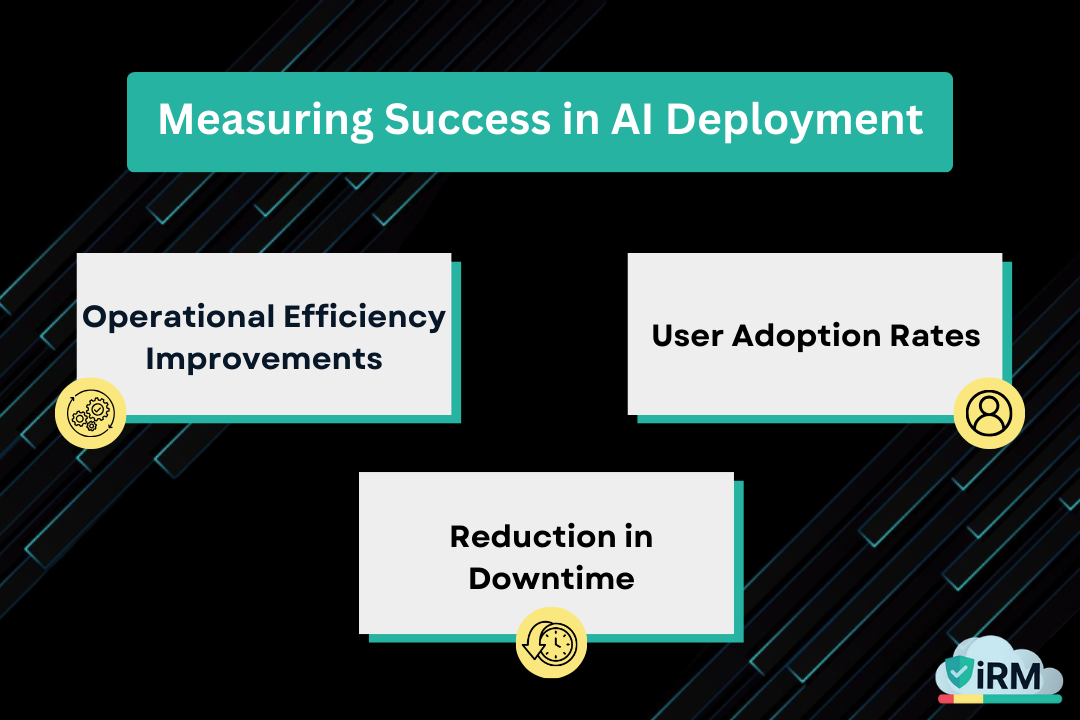
Measuring Success in AI Deployment
To evaluate the effectiveness of their deployment efforts, organizations should track specific metrics related to success.
Key Performance Indicators (KPIs)
- Operational Efficiency Improvements: Measure how much more efficient operations become after deploying AI solutions.
- User Adoption Rates: Track how many employees actively use the new system compared to those who resist it.
- Reduction in Downtime: Evaluate any decreases in system downtime as a result of improved processes through AI integration.
Ensuring seamless AI deployment without operational disruptions requires careful planning and execution. By developing clear strategies, engaging stakeholders early, conducting thorough testing, implementing change management practices, providing comprehensive training, and continuously monitoring performance, organizations can successfully integrate AI technologies into their operations without causing interruptions.
If you’re looking for expert guidance on deploying AI solutions seamlessly within your organization, contact us today to start your journey toward a more efficient future!