.png)

Building Trust in AI: Essential Strategies for Reliable Cybersecurity Decisions
In today’s fast-paced digital world, artificial intelligence (AI) is becoming a crucial part of how we protect our data and systems. But with great power comes great responsibility.
As organizations increasingly rely on AI for cybersecurity, it’s essential to build trust in these systems to ensure they make reliable decisions.
Understanding AI in Cybersecurity
To appreciate the role of AI in cybersecurity, it’s important to first understand what it entails and how it is being utilized in the field.
What is AI in Cybersecurity?
AI in cybersecurity refers to the use of machine learning algorithms and other advanced technologies to detect, prevent, and respond to cyber threats. These systems analyse vast amounts of data to identify patterns and anomalies that may indicate a security breach. By automating threat detection and response, AI helps organizations respond more quickly and effectively to potential attacks.
The Growing Role of AI
The adoption of AI in cybersecurity is on the rise. According to recent reports, the global AI in cybersecurity market is expected to reach $38.2 billion by 2026, growing at a compound annual growth rate (CAGR) of 23.3%. This growth reflects organizations' increasing recognition of AI's potential to enhance their security posture.
The Importance of Trust in AI
Establishing trust in AI systems is vital for their successful implementation and acceptance within organizations.
Why Trust Matters
Trust is critical when it comes to AI in cybersecurity. If users do not trust the decisions made by AI systems, they may hesitate to rely on them, potentially leading to gaps in security. Untrustworthy AI can result in false positives or negatives, causing unnecessary alarm or allowing real threats to go unnoticed.
Building User Confidence
Building confidence in AI systems involves demonstrating their reliability and effectiveness. When users can see that an AI system consistently makes accurate decisions, they are more likely to trust it with their sensitive information.
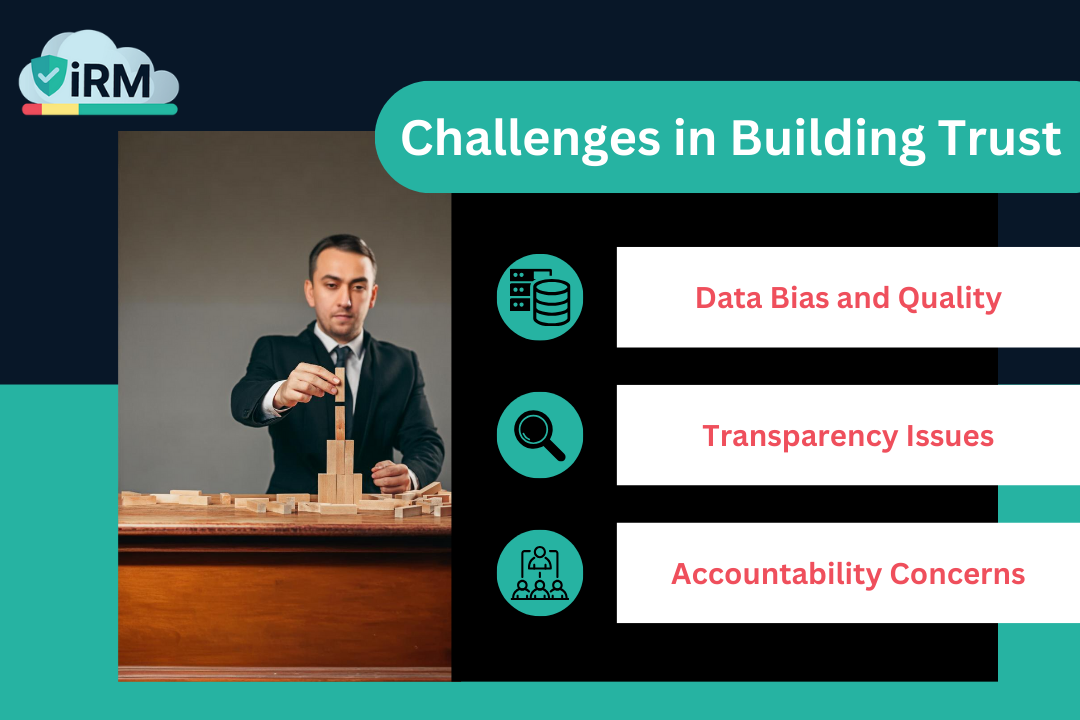
Challenges in Building Trust
While building trust is essential, several challenges must be addressed.
Data Bias and Quality
One significant challenge in building trust in AI is data bias. If the data used to train an AI system is biased or unrepresentative, the system's decisions may also be flawed. For example, if an AI model is trained primarily on data from one demographic group, it may not perform well when analysing data from other groups.
Transparency Issues
Another challenge is transparency. Many AI systems operate as "black boxes," meaning users cannot easily understand how decisions are made. This lack of transparency can lead to scepticism about the reliability of the system.
Accountability Concerns
When an AI system makes a mistake, who is responsible? This question remains a significant concern for many organizations. Establishing clear accountability for AI decisions is essential for building trust.
Best Practices for Ensuring Reliable Cybersecurity Decisions
To foster trust in AI systems, organizations should adopt several best practices.
Implementing Transparent Algorithms
One way to build trust in AI is by using transparent algorithms. Explainable AI (XAI) refers to methods that make it easier for users to understand how an AI system arrives at its conclusions. By providing insights into the decision-making process, organizations can foster greater trust among users.
Regular Audits and Testing
Conducting regular audits and testing of AI systems is crucial for ensuring their reliability. Organizations should evaluate the performance of their AI tools regularly and make adjustments as needed. This proactive approach helps identify potential weaknesses before they can be exploited.
Continuous Learning and Adaptation
AI systems must evolve as new threats emerge. By implementing continuous learning processes, organizations can ensure that their AI tools stay up-to-date with the latest security trends and vulnerabilities.
Real-World Examples
Examining successful implementations can provide valuable insights into building trust in AI systems.
Successful Implementations
Several organizations have successfully built trust in their AI systems by adopting best practices. For instance, Cisco developed a predictive analytics tool that uses machine learning algorithms to analyse network traffic patterns. By identifying anomalies that could indicate potential threats, Cisco has been able to respond quickly and effectively, significantly reducing successful cyberattacks.
Tools and Technologies for Trustworthy AI
Utilizing the right tools can enhance the reliability of AI systems.
AI Governance Frameworks
Implementing an effective governance framework for AI can help organizations ensure ethical use and build trust. Frameworks like those provided by NIST (National Institute of Standards and Technology) offer guidelines for developing responsible and transparent AI practices.
Security Information and Event Management (SIEM)
SIEM tools play a vital role in enhancing trust by providing real-time monitoring of security events across an organization’s network. By aggregating data from various sources, SIEM solutions help identify potential threats quickly and accurately.
Measuring Trust in AI
Organizations should track specific metrics related to trustworthiness to evaluate the effectiveness of their AI systems.
Key Performance Indicators (KPIs)
To evaluate the effectiveness of their AI systems, organizations should track specific metrics related to trustworthiness:
- Accuracy Rates: Measure how often the system makes correct predictions.
- Response Times: Evaluate how quickly the system detects and responds to threats.
- User Satisfaction: Gather feedback from users about their confidence in the system's decisions.
Building trust in AI for cybersecurity is essential for organizations looking to enhance their security posture while leveraging advanced technologies. By focusing on transparency, regular audits, continuous learning, and effective governance frameworks, organizations can foster confidence among users and ensure reliable cybersecurity decisions.
If you’re looking for expert guidance on integrating trustworthy AI solutions into your cybersecurity strategy, let’s connect! Visit our Contact Us page today to start your journey toward a more secure future!