.png)

The $2M Turnaround: Mastering Risk and Revenue Alignment in IT
Imagine steering a ship through stormy seas, where every wave is a potential risk and every calm stretch is an opportunity for growth.
For IT companies, aligning risk and revenue goals is like having a compass that guides you safely to your destination. This strategic alignment can lead to significant financial benefits, as seen in the case of an IT company that saved $2 million through effective Enterprise Risk Management (ERM).
This blog will explore the importance of ERM in IT, the financial impact of misaligned goals, and the strategies that led to these impressive savings. We'll also dive into the tools and technologies that support ERM, the challenges faced, and best practices for continuous improvement.
Enterprise Risk Management (ERM) in IT
What is ERM?
Enterprise Risk Management (ERM) is a comprehensive approach to identifying, assessing, and managing risks that could affect an organization's goals. It's about looking at risks from a top-down perspective, considering the entire company rather than individual departments. This holistic view helps in making informed decisions that align with the organization's overall strategy.
Why is ERM Important in IT?
In the IT sector, risks can come from various sources—cyber threats, data breaches, regulatory changes, and more. ERM helps IT companies to:
- Identify Risks Early: By proactively identifying potential risks, companies can take steps to mitigate them before they become significant issues.
- Align with Business Goals: ERM ensures that risk management strategies support the company's overall objectives, such as revenue growth and operational efficiency.
- Enhance Decision-Making: With a clear understanding of risks, IT companies can make better-informed decisions that balance risk and reward.
The Financial Impact of Misaligned Risk and Revenue Goals
When risk and revenue goals are not aligned, IT companies can face several challenges:
- Operational Inefficiencies: Misaligned goals can lead to inefficient processes, delayed projects, and increased operational costs.
- Financial Losses: Companies may experience revenue losses due to unmitigated risks, such as data breaches or system failures.
- Reputation Damage: Failure to manage risks effectively can harm the company's reputation, leading to loss of customers and market share.
Case Studies of Financial Impact
- Company A: A retail company filed for bankruptcy due to unmanaged risks, including supply chain disruptions and economic downturns. This highlights the importance of proactive risk management.
- Company B: An IT firm faced significant financial losses due to a data breach that could have been prevented with better risk management practices.
How an IT Company Achieved $2M Savings
Background
An IT company faces increasing operational costs and revenue losses due to unmanaged risks. The company decided to implement an ERM framework to align its risk management strategies with its revenue goals.
Strategies Implemented
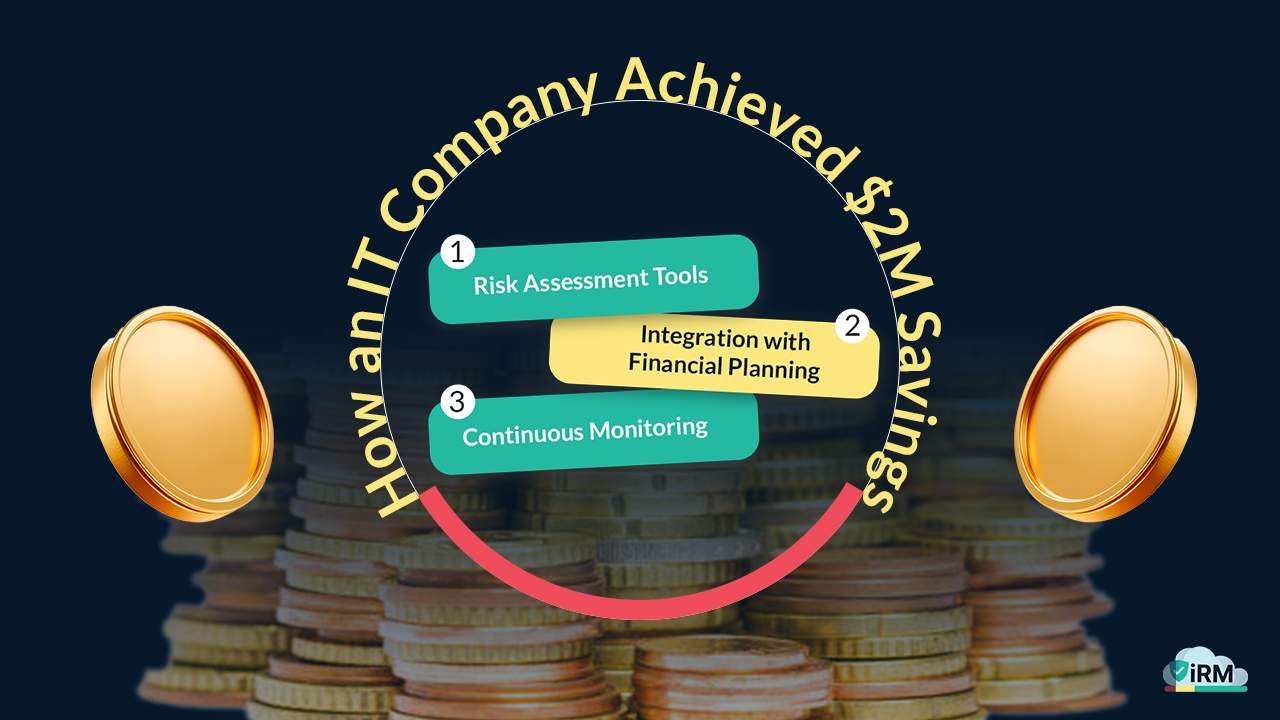
- Risk Assessment Tools: The company used advanced risk assessment tools to identify and prioritize risks.
- Integration with Financial Planning: Risk management strategies were integrated with financial planning to ensure alignment with revenue goals.
- Continuous Monitoring: The company implemented a system for continuous monitoring and adaptation of risk management strategies.
Results
By aligning risk and revenue goals, the company achieved $2 million in savings. This was due to improved operational efficiency, reduced financial losses, and enhanced decision-making.
Key Strategies for Aligning Risk and Revenue Goals
Practical Steps for Integration
- Set Clear Objectives: Define clear, measurable objectives that align risk management with revenue goals.
- Regular Risk Assessments: Conduct regular risk assessments to identify and mitigate potential risks.
- Cross-Functional Collaboration: Encourage collaboration between IT and finance teams to ensure alignment of goals.
Real-World Examples
- Company C: A financial services firm aligned its risk management strategies with its revenue goals, resulting in improved operational efficiency and reduced financial losses.
- Company D: An IT company integrated risk management with financial planning, leading to better decision-making and increased revenue.
Tools and Technologies that Support ERM
Overview of ERM Tools
- Risk Management Software: Tools like MetricStream and LogicGate help identify, assess, and manage risks across the enterprise.
- Analytics and Reporting Tools: These tools provide insights into risk data, enabling better decision-making.
- Cybersecurity Solutions: Tools like firewalls and intrusion detection systems help mitigate cyber risks.
Benefits and Limitations
- Benefits: ERM tools provide a comprehensive view of risks, enabling proactive risk management.
- Limitations: Implementation can be complex and require significant resources.
Challenges and Common Pitfalls in Implementing ERM
Common Challenges
- Resistance to Change: Employees may resist adopting new risk management practices.
- Lack of Executive Buy-In: Without support from top management, ERM initiatives may fail.
- Inadequate Resources: Implementing ERM requires significant resources, including time, money, and expertise.
Strategies to Overcome Challenges
- Effective Communication: Clearly communicate the benefits of ERM to gain buy-in from all stakeholders.
- Secure Executive Support: Ensure that top management understands and supports the ERM initiative.
- Allocate Sufficient Resources: Provide the necessary resources to implement ERM effectively.
Best Practices for Continuous Improvement in ERM
Tips for Maintaining and Improving ERM Practices
- Regular Audits: Conduct regular audits to assess the effectiveness of ERM practices and identify areas for improvement.
- Continuous Training: Provide ongoing training to ensure that all employees understand and can contribute to ERM efforts.
- Adaptation to Emerging Risks: Stay ahead of potential threats by continuously adapting ERM strategies to new risks.
Importance of Continuous Monitoring
- Stay Ahead of Risks: Continuous monitoring helps identify and mitigate risks before they become significant issues.
- Ensure Long-Term Sustainability: By continuously improving ERM practices, companies can ensure long-term sustainability and success.
Wrapping up and Future Outlook
Summary of Key Points
- Aligning risk and revenue goals is crucial for IT companies to achieve financial success.
- ERM provides a comprehensive approach to managing risks that align with business objectives.
- Continuous improvement is key to maintaining effective ERM practices.
Future Trends in ERM
- Emerging Technologies: AI and machine learning are expected to play a significant role in ERM in the future.
- Increased Regulation: Companies will need to adapt to increasingly complex regulatory environments.
- Integration with Business Strategy: ERM will become even more integrated with overall business strategy, driving better decision-making and improved outcomes.
Ready to align your risk and revenue goals and achieve similar savings? Learn about our comprehensive guide on ERM best practices and start your journey towards improved financial performance today! If you're eager to take the next step, reach out to our experts at iRM's Contact Us page for personalized advice and support. Let's work together to make your ERM strategy a success!