.png)

Unlocking the Power of AI: How to Achieve Seamless Tool Integration Across Systems
Effortless AI integration isn’t just a luxury—it’s the backbone of innovation in a connected world. As organizations increasingly adopt AI to drive innovation and efficiency, the challenge of making these tools work together becomes more pronounced. This blog aims to provide a comprehensive guide on achieving AI interoperability, covering the technical and organizational challenges, benefits, best practices, and real-world case studies.
By the end of this post, you'll clearly understand how to harmonize AI tools across diverse systems to maximize their potential.
Background
Understanding the foundation of AI interoperability
AI interoperability refers to the ability of different AI tools and platforms to work together seamlessly, sharing data and functionality without significant barriers. In modern IT environments, where organizations often rely on a variety of specialized AI tools, achieving interoperability is crucial for maximizing efficiency, scalability, and innovation. Without it, organizations risk creating siloed systems that limit their ability to leverage AI’s full potential.
The Growing Need for AI Interoperability
Why seamless integration is now mission-critical.
The demand for AI interoperability is driven by increasingly complex IT landscapes and the need for scalable solutions. Organizations use multiple AI tools from different vendors, each with unique strengths, but integration hurdles can stall progress. According to Gartner, 70% of organizations will face AI integration challenges by 2025, underscoring the urgency of addressing interoperability.
Challenges
Key obstacles to harmonizing AI tools across systems.Integrating AI tools involves navigating technical, organizational, and compatibility hurdles. Below, we break down the most pressing challenges.
Technical Challenges
Bridging gaps in data and infrastructure.
Technical barriers often stem from incompatible systems and restrictive interfaces.
- Data Format Inconsistencies: Tools using JSON, XML, or proprietary formats require time-consuming conversions.
- API Limitations: Proprietary APIs hinder cross-platform communication, increasing development overhead.
Organizational Challenges
Siloed workflows and a lack of standards create internal friction.
- Siloed Departments: Disconnected teams (e.g., marketing vs. IT) lead to fragmented AI strategies.
- Lack of Standardization: Absent industry-wide standards force organizations to build custom solutions.
Compatibility Challenges
Overcoming vendor dependencies and legacy systems.
Ecosystem lock-in and version mismatches stifle flexibility.
- Vendor Lock-in: Tools optimized for specific ecosystems limit integration with third-party platforms.
- Version Incompatibility: Legacy and modern tool versions often clash, complicating maintenance.
Benefits
Seamless integration unlocks efficiency, innovation, and scalability.
Operational Efficiency
Streamlining workflows to reduce costs and errors.
Interoperable tools automate data sharing, minimizing manual intervention.
- Automated Workflows: CRM-integrated AI tools provide real-time insights, improving customer service.
- Reduced Costs: Eliminating custom integrations lowers IT expenses.
Enhanced Innovation
Fueling collaboration and accelerating development.Integrated tools create synergies that drive breakthroughs.
- Collaborative Ecosystems: Combining NLP with machine learning models enhances insight accuracy.
- Faster Time-to-Market: Leveraging existing tools speeds up prototyping and scaling.
Scalability
Adapting to evolving business needs.
Interoperable systems grow with your organization.
- Flexible Solutions: Modular architectures allow easy upgrades without disrupting workflows.
- Future-Proofing: Adapt to new technologies without overhauling existing systems.
Best Practices
Strategies to ensure successful AI integration.
Adopting standards and modular designs paves the way for seamless interoperability.
Standardization - Building a common language for integration.
- Adopt Industry Standards: Follow frameworks like IEEE’s AI Interoperability Framework.
- Develop Internal Guidelines: Define data formats, APIs, and security protocols.
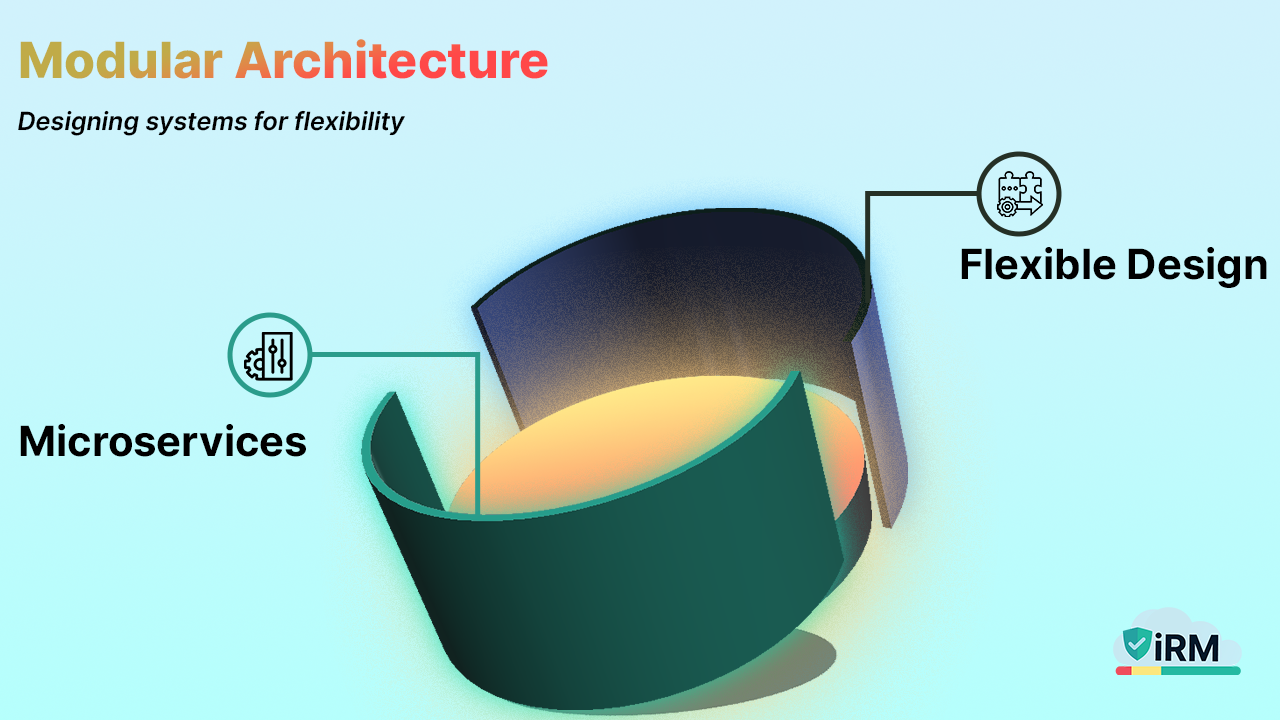
Modular Architecture - Designing systems for flexibility.
- Microservices: Break systems into independent components for easier updates.
- Flexible Design: Enable plug-and-play integration of new tools.
Continuous Monitoring - Maintaining performance and security.
- Regular Updates: Keep APIs and security protocols current.
- Performance Tracking: Use analytics to identify bottlenecks.
Real-World Case Studies
IBM Watson Integration - Unifying AI and enterprise systems.
IBM Watson integrates with CRM platforms to deliver real-time customer insights, boosting service efficiency.
Google Cloud AI Solutions - Automating workflows for faster results.
Google’s AutoML and BigQuery enable automated machine learning, reducing development time.
Future Outlook
Interoperability will hinge on ethics, automation, and advanced orchestration.
Emerging Trends - The rise of unified platforms and ethical frameworks.
- AI Orchestration Platforms: Tools like AWS SageMaker streamline cross-platform management.
- AI Ethics: Addressing bias and privacy in integrated systems.
Predictions - Preparing for 2030 and beyond.
- AI-Driven Automation: Sophisticated workflows will dominate industries.
- Future of Work: AI will reshape roles, requiring adaptive strategies.
Achieving AI interoperability is essential for maximizing ROI on AI investments. By addressing challenges, adopting best practices, and learning from pioneers like IBM and Google, organizations can unlock innovation and efficiency. Ready to transform your AI strategy? Contact us to explore seamless integration solutions tailored to your needs.