.png)

Vendor Vigilance: Protecting Your Back with Third-Party Risk Management
In today's interconnected business world, relying on third-party vendors is a necessity. But with this reliance comes a host of risks that can disrupt operations, compromise security, and damage your reputation. That's where third-party risk management (TPRM) comes in. Let's dive into the importance of TPRM and how you can protect your business effectively.
Third-party risk management is all about identifying and reducing the risks that come with working with vendors, suppliers, and other external partners. These risks can range from cybersecurity threats to operational disruptions and compliance issues. In simple terms, TPRM helps you keep an eye on your vendors to ensure they don't become a weak link in your business chain.
Key Risks Associated with Third-Party Vendors
- Cybersecurity Risks: Vendors often have access to sensitive data, making them a prime target for cyberattacks. A data breach at a vendor can expose your company to significant financial and reputational damage.
- Compliance Risks: Third parties can impact your compliance with regulations like GDPR or CCPA. Non-compliance can result in hefty fines and legal troubles.
- Operational Risks: Disruptions in a vendor's operations can cascade down to your business, leading to delays and inefficiencies. For example, if a key supplier faces a production halt, your entire supply chain could be affected.
- Financial Risks: Financial instability in a vendor can lead to unfulfilled contracts, affecting your bottom line. It's crucial to monitor the financial health of your vendors to avoid such scenarios.
- Reputational Risks: The actions of your vendors can reflect on your brand. Unethical practices or poor quality control can tarnish your reputation and erode customer trust.
Best Practices for Vendor Due Diligence
Conducting thorough due diligence is the first step in managing third-party risks. Here are some best practices:
- Background Checks: Verify the vendor's credentials, financial stability, and past performance. Look for any red flags that might indicate potential risks.
- Assess Capabilities: Evaluate whether the vendor has the necessary capabilities and resources to meet your requirements. This includes checking their technical competence, operational capacity, and compliance with industry standards.
- Continuous Monitoring: Due diligence doesn't stop after onboarding. Continuously monitor your vendors for any changes in their risk profile. Regular audits and assessments can help you stay on top of potential issues.
Implementing a Robust Third-Party Risk Management Framework
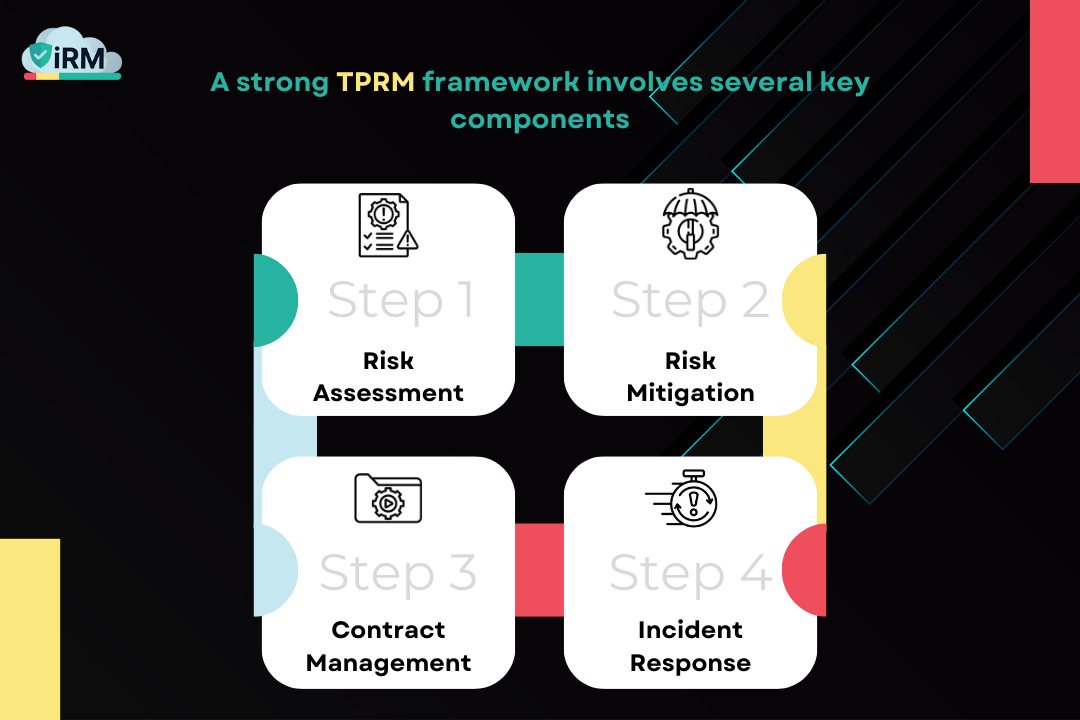
A strong TPRM framework involves several key components:
- Risk Assessment: Identify and assess the risks associated with each vendor. Use a risk scoring system to prioritize vendors based on their risk level.
- Risk Mitigation: Develop strategies to mitigate identified risks. This could include contractual agreements, insurance requirements, or implementing additional security measures.
- Contract Management: Ensure that your contracts with vendors clearly outline expectations, responsibilities, and consequences for non-compliance. Regularly review and update contracts to reflect changing risks and requirements.
- Incident Response: Have a plan in place to respond to incidents involving third parties. This includes communication protocols, remediation steps, and reporting requirements.
Leveraging Technology for Continuous Monitoring
Technology plays a crucial role in TPRM. Automated tools can help you monitor vendors in real time, flag potential issues, and streamline the risk management process. Here are some ways technology can assist:
- Automated Alerts: Set up alerts for key risk indicators, such as changes in a vendor's financial status or security posture.
- Data Analytics: Use data analytics to identify trends and patterns in vendor performance. This can help you predict and prevent potential risks.
- Integration with Existing Systems: Integrate TPRM tools with your existing systems, such as procurement and contract management, to ensure a seamless flow of information.
Case Studies of Successful Third-Party Risk Management
Let's look at some real-world examples of companies that have successfully managed third-party risks:
- Company A: A financial institution implemented a comprehensive TPRM program that included regular audits and continuous monitoring of its vendors. This helped them identify and mitigate risks early, avoiding potential data breaches and compliance issues.
- Company B: A retail company used automated tools to monitor its supply chain vendors. By identifying and addressing operational risks in real time, they were able to maintain smooth operations and avoid disruptions.
Common Pitfalls and How to Avoid Them
Even with the best intentions, companies can fall into common traps when managing third-party risks. Here are some pitfalls to avoid:
- Over-reliance on Vendor Assurances: Don't take a vendor's word at face value. Always verify their claims through independent assessments and audits.
- Inadequate Documentation: Maintain detailed records of all vendor interactions, assessments, and agreements. This will help you track risks and demonstrate compliance if needed.
- Lack of Senior Management Involvement: Ensure that senior management is involved in the TPRM process. Their support is crucial for allocating resources and enforcing policies.
Future Trends in Third-Party Risk Management
The landscape of TPRM is constantly evolving. Here are some trends to watch out for:
- Increased Regulatory Scrutiny: With data protection regulations becoming stricter, companies will need to step up their TPRM efforts to avoid penalties.
- Advancements in Technology: New technologies like AI and machine learning will play a bigger role in TPRM, helping companies identify and mitigate risks more effectively.
- Focus on Sustainability: Companies will increasingly consider environmental and social risks when managing third-party relationships. This includes ensuring that vendors adhere to sustainable practices.
Managing third-party risks is not a one-time task but an ongoing process. By implementing a robust TPRM framework, leveraging technology, and staying ahead of trends, you can protect your business from potential threats and build stronger, more resilient partnerships.
Ready to strengthen your vendor vigilance? Contact iRM today and let our experts guide you through the complexities of third-party risk management. Your peace of mind is just a click away!